

Welcoming a new puppy into your home is an exciting journey filled with joy and a touch of chaos. Enrolling your fur buddy in a puppy boot camp can be an excellent way to start the adventure on the right paw. In this fun and engaging guide, we will explore the essential skills that your puppy can master in a boot camp setting. From basic commands to essential social skills, these are the foundational elements that will help shape your puppy into a well-behaved, happy companion.
1. Mastering Basic Commands
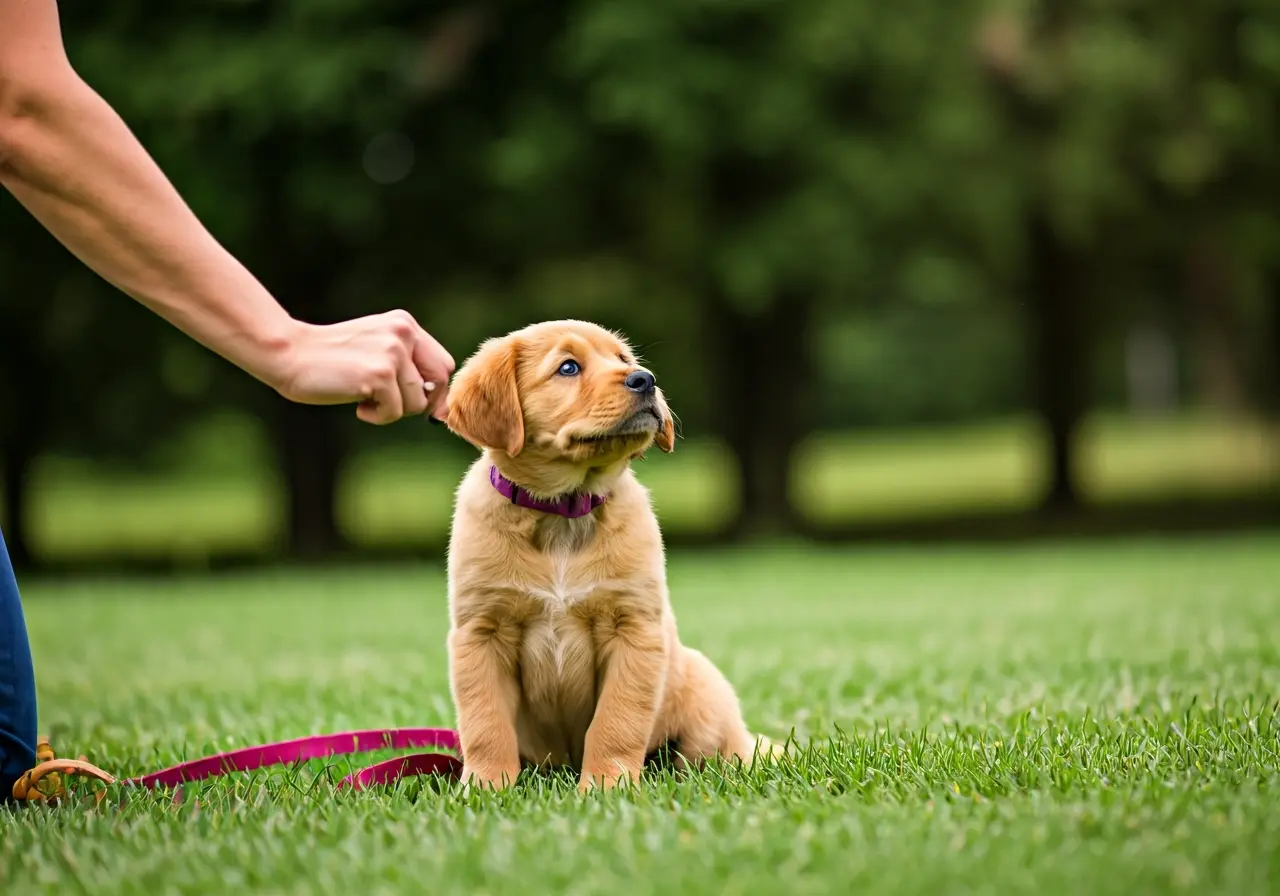
Teaching your puppy basic commands like sit, stay, and come lays the groundwork for good behavior. Boot camp offers a structured environment for your puppy to learn these commands with the help of experienced trainers. One-on-one sessions allow puppies to focus better and learn at their own pace, while group classes provide opportunities for practicing these skills in a more distracting, real-world setting. This multifaceted approach ensures that your puppy can heed your commands in any context. Plus, the satisfaction of seeing your puppy mastering these skills is undeniable!
Moreover, these basic commands are not just about obedience; they are about establishing a communication line between you and your puppy. This dialogue is crucial for safety, as managing your puppy’s actions like stopping them from running into danger relies on their understanding of these commands. As they begin to recognize and respond consistently, your bond with them strengthens, framed by mutual respect and love.
2. Walking on a Leash
Learning to walk calmly on a leash is crucial for enjoyable outings. In boot camp, puppies are guided to master leash etiquette, making walks more pleasant for both of you. Initially, it might seem overwhelming for puppies to control their excitement at all the new sights and smells, but with consistent training, they learn to walk beside you gracefully. Leash training in a boot camp setting is particularly effective because of the controlled environment which minimizes external distractions during the initial stages of learning.
A well-behaved puppy on the leash is a joy to have. You can take them anywhere with confidence, knowing they won’t pull or get tangled up. This means more walks for them, increasing their physical fitness and social interaction, leading to a more satisfied and relaxed puppy at home. It’s a great way to channel their natural energy into positive, structured behavior.
3. Socializing with Other Dogs
Building confidence in social situations is key to a well-adjusted puppy. Boot camp provides a safe space for puppies to interact with one another under supervision. This controlled environment is crucial, as it prevents bad habits from forming while ensuring that all interactions are positive and beneficial. Dogs learn social cues and proper play behavior, which is essential for their development.
Socialization is not just about making friends; it’s about teaching your puppy to remain calm and composed around other animals. It helps in reducing fear-based aggression or anxiety as they grow. With regular exposure to different dogs, they become more curious rather than scared or defensive. This makes future trips to the park or pet-friendly public places much more enjoyable for both of you.
4. Greeting People Politely
Jumping on guests can be both embarrassing and dangerous. Puppy boot camp teaches your puppy to greet people calmly, setting them up for pleasant interactions. Most puppies are naturally exuberant, expressing their affection with leaps and bounds. While cute, this behavior can lead to bumps and bruises, especially with small children or elderly folks.
The skills learned in boot camp help puppies understand the importance of respecting personal space. Trainers focus on rewarding calmness and discouraging over-enthusiastic behavior. Your puppy quickly grasps the notion that all four paws need to stay on the ground when meeting someone new. This training also lays the groundwork for them to be respectful and patient, waiting for attention in a manner that’s appreciated by everyone they meet.
5. Attending to Potty Training
House training is a big part of a smooth transition into home life. Boot camp emphasizes consistency and routines, helping puppies understand when and where to go. The combination of frequent bathroom breaks, positive reinforcement, and watchful supervision fosters quick learning. Puppies start to associate specific cues or phrases with their bathroom needs, aiding in both reducing accidents and making your life easier.
An important aspect of potty training is patience. It’s all about setting a schedule and sticking to it, allowing your puppy to naturally adapt to your home’s routines. As they grow to understand the expectations you have set, you will witness fewer messes and more autonomy from your puppy, who will begin to notify you when they need to go outside. This lays a foundation for a trusting relationship, as your puppy learns to rely on you for their basic needs.
6. Building Confidence in New Environments
Adapting to new surroundings can be daunting for puppies. Boot camp helps your puppy become more adaptable, ensuring they feel secure wherever they go. Exposure to a range of sights, sounds, and smells during their training enhances their ability to cope with the unexpected. This adaptability ensures their comfort and security whether they’re riding in the car, visiting the vet, or joining you on a family vacation.
While at boot camp, puppies learn that new environments aren’t something to fear but rather to explore. This confidence spills over into their behavior, reducing anxiety-driven nuisances like barking or whining in unfamiliar settings. With experienced trainers guiding them through various scenarios, they learn to relax, observe, and trust, knowing that you are there to guide them through it all.
7. Avoiding Destructive Chewing
Puppies love to chew—sometimes on things they shouldn’t. Boot camp provides guidance on redirecting this behavior towards appropriate toys and outlets. During their training, puppies are given plenty of chew-friendly options and are immediately redirected if they venture towards something off-limits. This creates clear boundaries and expectations around what is acceptable to chew.
More than just preserving your belongings, learning what to chew teaches your puppy about boundaries. This control over their impulses can translate to other areas of behavior, helping in situations requiring discipline or restraint. You’ll find your puppy less likely to sneak into places they’re not allowed, ensuring a harmonious home environment free from surprises like gnawed shoes or chewed-up furniture.
8. Crate Training for a Safe Haven
A crate can become a safe and comforting space for your puppy. By learning to relax in a crate, your puppy will have a secure spot to rest and retreat when needed. The crate training process requires patience and positive reinforcement, ensuring that your puppy associates the crate with positivity and security. It becomes a space where they can relax without stress, making it ideal for times when they need to be safely contained, like during travel or when guests are visiting.
Understanding the significance of a crate is crucial. It mimics a den-like environment which dogs naturally gravitate towards, providing them with both comfort and privacy. At boot camp, trainers use the crate as a tool to help puppies achieve a balanced day of activity and rest, essential for their development. This familiarity with a crate turns it into not just a training tool, but a lifelong retreat from the hustle and bustle of daily life.
9. Responding to Recall
Having your puppy reliably come when called is essential for their safety. Boot camp reinforces this behavior, making sure your puppy responds promptly even with distractions. They are taught to prioritize your cues over exciting distractions like other dogs, squirrels, or interesting smells. This skill, while simple, can prevent potentially dangerous situations, offering much-needed peace of mind during off-leash adventures.
Building a strong recall response aligns closely with the trust between you and your puppy. When they respond to your call, they show understanding and confidence in your guidance. Additionally, frequent practice reinforced with positive rewards ensures that this behavior becomes second nature. This reliable response not only can prevent accidents but also allows for a more flexible, adventurous relationship, with plenty of room for play and exploration in safe environments.
10. Staying Calm in Public Places
Public outings can be overwhelming for young dogs. Boot camp helps puppies practice calmness and composure in various situations, allowing you to enjoy peaceful outings together. Exposure to busy streets, bustling parks, and crowded environments during training sessions equip your puppy with the skills needed to handle such scenarios with poise. This experience diminishes stress and prevents unwanted behavior in public settings, enhancing joyful experiences.
Calmness during public outings is not only beneficial for your puppy but also ensures safety and comfort for you and others around. Puppies who manage to stay composed are less likely to react unpredictably, facilitating smoother, stress-free trips. As your puppy grows accustomed to these environments under careful supervision, they learn to trust your lead, fostering an atmosphere of mutual respect and understanding wherever you choose to go together.