

Intensive dog training might sound daunting, but it can work wonders for both you and your canine companion. Whether you’re dealing with unruly behavior or just want to improve your pup’s skills, this approach can bring about significant changes. Let’s explore how this comprehensive training can transform your pet’s behavior for the better.
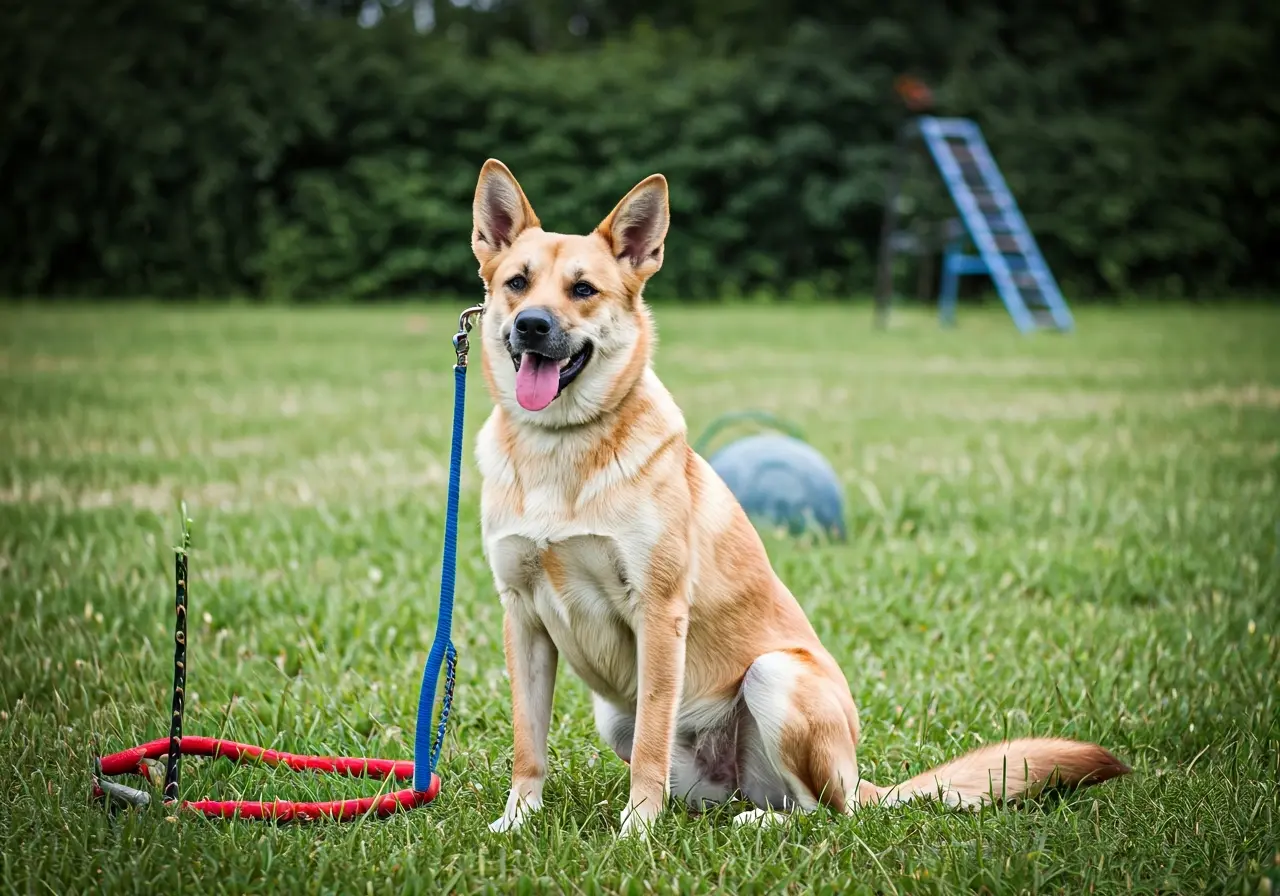
1. Building a Strong Foundation of Obedience
Intensive training focuses on establishing essential obedience skills. With consistency, dogs learn to respond reliably to commands, setting the stage for more advanced lessons. This is crucial, as a solid foundation of obedience not only makes your dog easier to live with but also enhances their overall safety.
An obedient dog is a happy dog. Through structured training sessions, your pet learns to understand the importance of following your lead, which fosters a sense of security. Whether it’s sitting on command or staying put when told, these basic obedience skills are stepping stones for more complex behaviors.
2. Promoting Calmness in Various Situations
Through controlled exposure to different environments, your dog learns to remain calm and attentive, regardless of distractions. This aspect of training is crucial for stress-free outings. Whether it’s a busy park or a bustling street, dogs that have undergone intensive training are less likely to get overwhelmed by external stimuli. They learn to process new experiences with curiosity instead of fear.
By gradually increasing the level of distractions during training, dogs become adept at focusing on the task at hand. This training technique not only makes outings more enjoyable but also empowers you and your pet to explore the world confidently together.
3. Enhancing Social Skills with Other Dogs
Intensive training includes socialization exercises that help dogs interact positively with other animals. This reduces aggression and anxiety during dog-to-dog interactions. By learning to read social cues and respond appropriately, dogs become more relaxed in social settings.
With an emphasis on positive experiences, your dog is encouraged to engage peacefully and playfully with new friends. This socialization ensures that they develop healthy relationships with other dogs, which is essential for their emotional well-being.
4. Addressing Aggressive Tendencies
With expert guidance, aggressive behaviors can be identified and modified. This training aspect ensures a safer environment for both your dog and those around them. Trainers use a combination of desensitization and counter-conditioning to gently reshape a dog’s response to triggers that previously caused hostility.
The goal is to replace aggressive reactions with positive behaviors through understanding and patience. Addressing aggression at its roots helps in creating a more harmonious environment and a more socially adaptable pet. Remember, a well-trained dog is a reflection of the time and effort invested in their behavior management.
5. Improving Recall for Off-Leash Adventures
A well-honed recall command allows your dog to enjoy more freedom while staying safe. Intensive training strengthens this crucial skill, giving you peace of mind. Recall is not just about convenience; it’s a vital command that can prevent potential accidents.
Using positive reinforcement, we teach dogs to associate returning with positive experiences, making it more likely for them to respond promptly. Whether they spot a squirrel or get distracted by another dog, your call should be irresistible enough for them to return. This ability to recall your dog reliably makes off-leash walks and adventures a joyful experience for both you and your pet.
6. Reducing Anxiety and Destructive Behavior
Training provides mental stimulation and a sense of security, which can significantly reduce anxiety-driven behaviors such as chewing or barking. Dogs with anxiety often exhibit destructive behavior as an outlet for their stress, making it crucial to address these issues early on.
Through engaging activities and mental challenges, dogs find a positive focus for their energy. Over time, this reduces their reliance on destructive habits and fosters a more peaceful home environment. It’s important to note that addressing these behaviors requires not just training but also understanding the underlying causes of stress in dogs.
7. Developing Self-Control and Patience
Through exercises that require waiting or holding positions, your dog learns impulse control, leading to better behavior in various settings. This ability to pause and ‘think’ is crucial for dogs, especially in situations that may otherwise cause overstimulation.
Training exercises like ‘stay’ or ‘leave it’ encourage dogs to develop patience, allowing them to engage more reflectively with their environment. This skill is particularly helpful for dogs who tend to jump up or act impulsively, as it teaches them to focus and wait for permission before moving forward.
8. Fostering a Stronger Bond with Your Pet
Intensive training sessions offer quality time between you and your dog, strengthening your relationship and understanding of each other. This bond is crucial for both training success and overall happiness.
As you work together towards common goals, you’ll discover new facets of your dog’s personality, making the journey even more rewarding. By incorporating play as a form of positive reinforcement, your training sessions double as quality bonding time. Watch as your connection grows with each new skill mastered and every behavioral milestone achieved. Truly, this process is as much about your growth as a team as it is about training your dog.
9. Customizing Training to Suit Individual Needs
Intensive training can be tailored to address specific issues or goals, ensuring that the methods used are best suited for your dog’s unique personality and challenges. No two dogs are alike, and recognizing this individuality is key to effective training.
By understanding your dog’s distinct traits and preferences, you can develop a customized training program that caters to their strengths and overcomes their weaknesses. Whether it’s overcoming a particular fear or honing a specific skill, tailored training ensures a more engaging and effective learning experience, making the process both fun and beneficial for every dog.
10. Encouraging Positive Reinforcement Techniques
Focused training emphasizes the use of positive reinforcement, which builds trust and encourages your dog to learn in a stress-free environment. This approach not only promotes a strong bond but also ensures that learning remains an enjoyable experience for your pet.
Rewards such as treats, affection, or play can be used effectively to motivate your dog, making positive reinforcement a cornerstone of successful training. By prioritizing positive feedback, dogs are more likely to repeat good behavior, making it a powerful method for shaping complex behaviors.
11. Creating a Well-Balanced Routine
Training helps establish a consistent routine that provides structure and predictability, leading to more balanced and predictable behavior. Dogs thrive on consistency, and a well-structured daily routine helps in reducing anxiety and promoting well-being.
By carving out specific times for walking, feeding, and training, you help your dog understand what to expect and when. This predictability not only aids in behavioral management but also creates a stable environment that enhances your dog’s overall health and quality of life. Establishing routine doesn’t have to be rigid; instead, it’s about maintaining general consistency while remaining flexible enough to adapt to your dog’s needs.
12. Preparing for Advanced Training Opportunities
Once your dog masters the basics, they are well-prepared for advanced training such as agility, search and rescue, or therapy work. This opens up new enriching experiences for both of you. Advanced training not only extends the range of skills your dog possesses but also deepens the mental and physical engagement between you.
Advanced training opportunities can strengthen obedience and hardware skills in exciting ways, challenging your dog in a constructive manner. With each new challenge conquered, your dog becomes more confident and eager to learn, paving the way for an impressive skill set that contributes to their readiness for tasks like therapy or service work.