

Welcoming a furry friend into your home is one of life’s greatest joys. With the right training tips, you can ensure your puppy feels safe and secure, while also creating a harmonious environment for your family. Here are some insightful Madison tips specifically geared towards puppy training that will make your home happier and more peaceful.
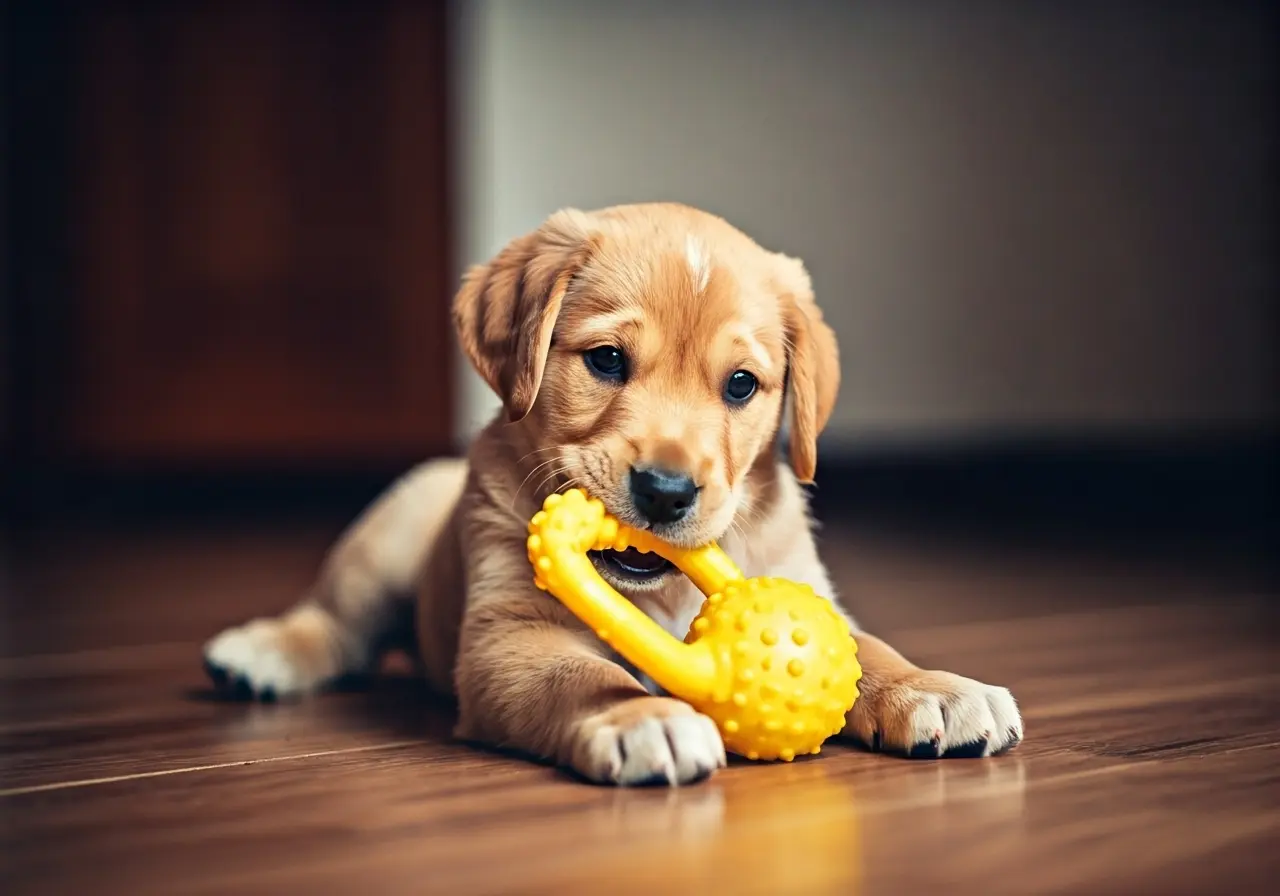
1. Establishing a Routine for Your Puppy
Consistency is key in puppy training. Create a daily schedule for feeding, walks, and playtime to help your puppy develop a sense of security and predictability. Puppies, just like humans, crave routine and structure. Adopting this approach not only removes uncertainty, which could be a source of anxiety for your pup, but also speeds up their training progress. Importantly, consider whether you’ll be including family members in the routine. Involving everyone creates a consistent message to your puppy about acceptable behavior.
While it might seem daunting at first, maintaining a set schedule doesn’t mean it has to be boring or monotonous. Make the most of your time together by incorporating fun activities that challenge your puppy’s growing mind. Whether you opt for some quick obedience drills before dinner or a fun game of hide and seek after a walk, these activities help break the monotony while reinforcing a positive daily rhythm.
2. Building a Positive Relationship with Rewards
Using positive reinforcement such as treats and praises will encourage your puppy to repeat good behavior. Keep sessions short and fun to maintain their interest. It’s crucial to identify what truly motivates your puppy. For some, food treats work wonders, while others might respond better to physical affection or a favorite toy. The key is to reward your puppy immediately after they display the desired behavior, ensuring clarity in what you are praising.
Remember, positive reinforcement is not just about giving treats. It’s about creating associations between a particular action and a positive outcome. This strategy not only encourages good behavior but also fosters trust. If implemented correctly, your puppy will begin to perform tasks not just for the reward but out of wanting to please you.
3. Patience and Persistence in Potty Training
Accidents will happen, but staying calm and consistent will help your puppy learn faster. Use specific cues and praise successes to reinforce positive habits. Establishing a dedicated spot in the yard and using a phrase like “go potty” can help your puppy identify when it’s time to do their business. It’s crucial to monitor your puppy’s food and water intake to anticipate when they might need a bathroom break.
Patience is your best friend during this stage. Remember that each puppy learns at their own pace. Celebrate small victories and avoid rebuking them for accidents. Instead, focus on building a clear routine, rewarding outdoor eliminations lavishly. A tip to accelerate potty training is maintaining a feeding schedule. Consistent feeding times often result in predictable potty schedules.
4. Introducing Your Puppy to People and Other Animals
Socialization is crucial for a well-adjusted pet. Gradually expose your puppy to new environments and experiences to build their confidence. Start with calm and controlled settings, perhaps inviting a friend or two over rather than taking them immediately to a busy park. It’s important to let your puppy approach at their own pace. Provide lots of positive reinforcement whenever they remain relaxed and curious in these situations.
Early introduction to diverse circumstances can prevent behavioral issues related to fear and anxiety. Taking the time to enroll your puppy in a group training class can be beneficial. This way, your puppy learns not just to interact with strangers, but also with other canines in a safe and structured environment. Training classes are an excellent place to start.
5. Teaching Basic Commands for Better Communication
Simple commands like ‘sit’, ‘stay’, and ‘come’ not only enhance safety but also strengthen the bond between you and your puppy. Be clear and consistent in your instruction. Short and simple words make the commands easier for puppies to understand. Reinforce each command with a hand signal to create a multi-sensory cue system.
Once your puppy successfully masters a command, diversify the context. Practice in different locations and gradually introduce distractions to ensure that when they know a command, they truly understand it in various circumstances. This reinforces the learning and helps you gauge your puppy’s focus and attention span in different environments.
6. Understanding Your Puppy’s Body Language
Being able to read your puppy’s body language will help you anticipate their needs and reactions, leading to more effective training sessions. Recognizing signs of stress, happiness, or fear can guide your approach. For example, a wagging tail doesn’t always equate to a happy pup; their accompanying posture and ear position also play vital roles in decoding their emotions.
Understanding body language takes observation and experience. Spend quality time with your puppy, noting their behaviors in various situations. Over time, you’ll begin to notice patterns and learn how to adjust your training methods accordingly. For instance, nervous licking or yawning might indicate discomfort, prompting a slower, more patient approach to training.
7. Handling Barking and Chewing With Care
Guide your puppy to better behavior with gentle corrections. Provide plenty of chew toys and teach them when barking is appropriate. Understanding the root causes of barking, such as anxiety or boredom, often leads to more effective intervention strategies. Ensure that your puppy has enough physical and mental stimulation throughout the day to deter destructive chewing out of frustration.
8. Crate Training for a Safe Space
A crate can become a sanctuary for your puppy when used correctly. Introduce the crate positively to help them see it as a safe and comfortable spot. Start by leaving the door open, encouraging your puppy to explore with enticing toys or treats. Allow them to enter at their own pace and build positive associations by feeding regular meals inside.
Crate training helps with a host of potential concerns such as house training and separation anxiety. Be patient and never use the crate as a form of punishment. The aim is to establish it as a second home where your puppy feels calm and secure, even when alone.
9. Developing a Play and Exercise Routine
Regular exercise is vital for your puppy’s health and happiness. Engage in activities that stimulate both their mind and body, providing a fun outlet for their energy. Consider introducing games like fetch or tug-of-war that nurture both exercise and obedience. You can also incorporate training commands during play to reinforce learning while on-the-go.
Tailor playtime to suit your puppy’s breed traits and energy levels. Some puppies may enjoy vigorous play, while others might prefer low-key activities like sniff walks which also satisfy their natural senses. Remember, a tired puppy is a well-behaved puppy, and play is just as much about bonding as it is about physical exercise.
10. Seeking Professional Help When Needed
Sometimes, issues may arise that require expert assistance. Don’t hesitate to reach out to a professional trainer if you need extra support. Trainers are well-versed in a range of behavioral issues and can provide tailored advice for your specific situation. This outside expertise can be invaluable, especially if you’re struggling with persistent behavioral problems.
In Madison, there are multiple options for professional dog trainers who can offer classes or one-on-one consultations tailored to your puppy’s unique needs. These experts not only offer expansive training knowledge, but they also provide a comforting reassurance that you’re not navigating challenging puppyhood phases alone.