

Welcome to the journey of fostering a happy and well-behaved dog! If you’re in Madison and looking to strengthen the bond with your furry friend, mastering some essential dog training commands is the key. These simple yet effective commands will help you ensure your pet is both content and well-mannered.
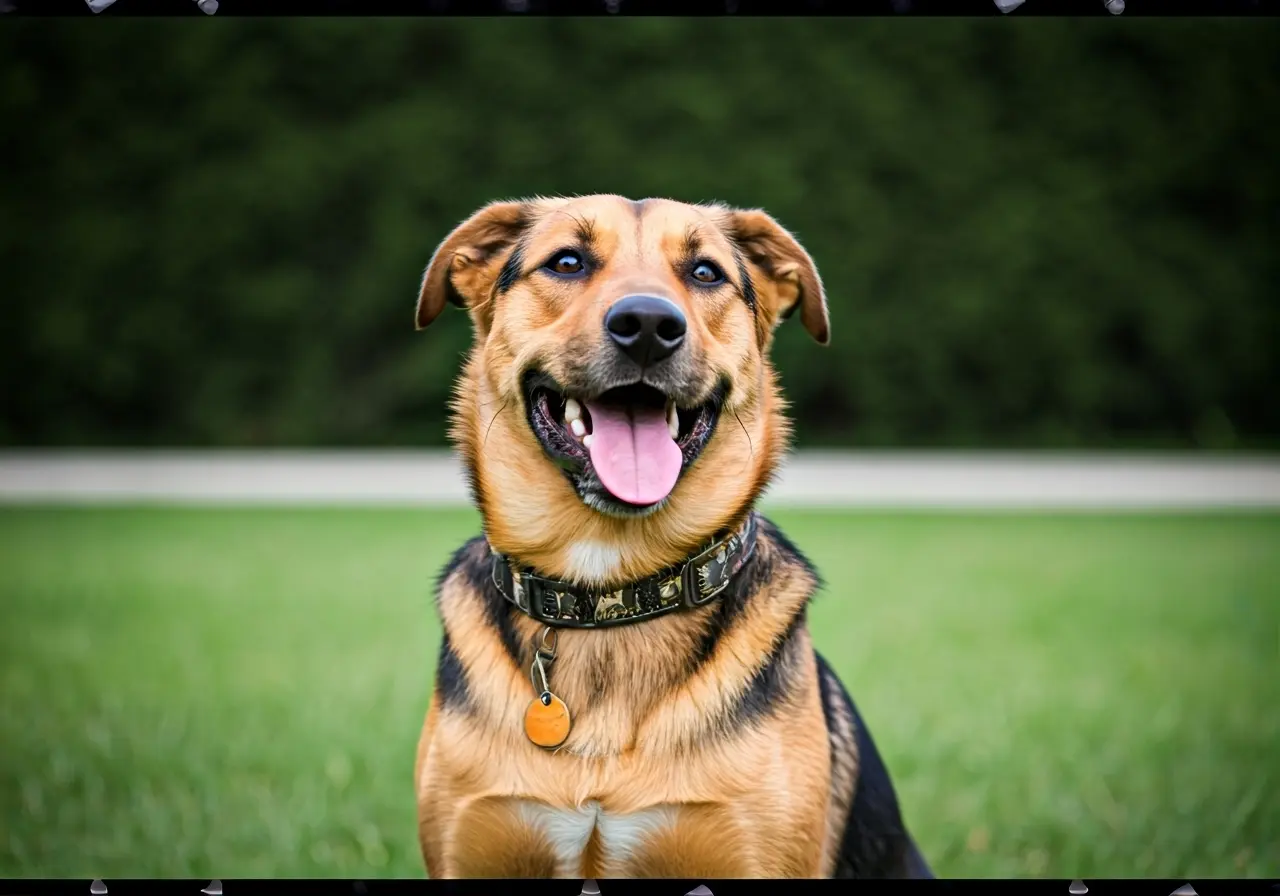
1. Teaching Sit for Attention Control
The ‘Sit’ command is foundational and one of the first commands many trainers in Madison suggest teaching. It helps your dog learn to control their impulses, making it easier for you to manage them in a variety of situations. Sitting on command can prevent unwanted behaviors such as jumping up on visitors or running out an open door. Moreover, it’s a starting point for more complex commands and serves as a gateway to better discipline overall.
When introducing the ‘Sit’ command, positive reinforcement is key. Reward your dog with praise or a treat each time they sit upon command to encourage learning and establish a positive association. Using treats in moderation helps maintain your dog’s ideal weight while reinforcing good behavior. Remember, patience and consistency are your best friends during the training process.
2. Mastering Stay for Better Patience
Learning to ‘Stay’ can be a game-changer for your dog, promoting patience and focus. This command is especially useful for keeping your dog safe and calm in different environments. Whether you’re at a bustling park or need them to remain in place while you answer the door, ‘Stay’ ensures that your dog won’t wander off into potentially hazardous situations.
Start with short distances and durations, gradually increasing both as your dog gets more comfortable with the command. In the beginning, it might be helpful to use a leash to gently guide them back into the staying position if they get up. Celebrate small successes to build confidence and always end training sessions on a positive note.
3. Come for Reliable Recall
The ‘Come’ command is crucial for reinforcing trust and ensuring the safety of your pet. Training your dog to come when called, especially in public spaces, strengthens your control and their responsiveness. This command is not just about obedience, but it also builds a stronger bond between you and your pet as they learn to trust and depend on your guidance.
To make the ‘Come’ command successful, practice in a controlled environment. Use a friendly tone and give your dog plenty of praise when they reach you. Gradually increase distractions as they become more proficient. In dog training Madison, it’s recommended to mix up rewards with both treats and affection to keep your dog eager and excited to respond.
4. Teaching Down for Calming
The ‘Down’ command is perfect for calming an excited pet. This can help in situations where your dog needs to relax and lie down, such as during meals or in public areas. It’s an excellent way to redirect over-enthusiasm and excessive energy into a calm demeanor.
To teach ‘Down’, use a treat as a lure to guide your dog into a lying position. Allow them to figure it out by holding the treat near the ground between their paws. Once they lie down, immediately reward and praise them. This reinforces their understanding of the position and its desired qualities of calmness and obedience.
5. Leave It to Avoid Unnecessary Distractions
‘Leave It’ is an important command that helps prevent your dog from picking up unwanted items. This not only keeps them safe but also prevents bad habits and distractions. It’s a proactive approach in managing their environment and enabling them to make better choices.
During training, use two treats; one as a distraction and the second as a reward. When your dog ignores the first treat and looks up at you, promptly give them the second treat from your hand. This teaches them the reward for leaving things they shouldn’t touch can be greater than the initial temptation.
6. Drop It for Safe Interactions
Using ‘Drop It’ can ensure your dog safely releases items, which is essential both indoors and outdoors. This command is especially useful for promoting safe play and avoiding potential hazards. Whether your dog picks up harmful items or toys during a play session, ‘Drop It’ guarantees that they return items to you willingly.
Introduce ‘Drop It’ with toys your dog enjoys, offering a treat in exchange for the item. Praise them as they drop the item, reinforcing the behavior positively. Starting with low-value items and gradually moving to high-value ones can help strengthen the command, making it more reliable in varying situations.
7. Heel for Better Walks
The ‘Heel’ command makes walks more enjoyable by encouraging your dog to walk beside you. This improves leash manners and provides a more controlled and pleasant walk. By maintaining position beside you, your dog is more focused and less likely to dart towards distractions.
For training ‘Heel’, start in a quiet area and use treats to position your dog by your side. As you walk, keep the leash loose and praise your dog for staying beside you. Gradually increase the duration and introduce new environments to reinforce the command. Over time, your dog will learn to regard ‘Heel’ as an integral part of your walking routine, transforming unruly walks into joyful strolls.