

Dog training is a crucial part of integrating your canine companion into your family. However, many dog owners wonder if home visits are effective for all breeds. In this FAQ blog, we’ll explore the benefits and considerations of dog training home visits across different breeds.
Understanding the Benefits of Home Visits
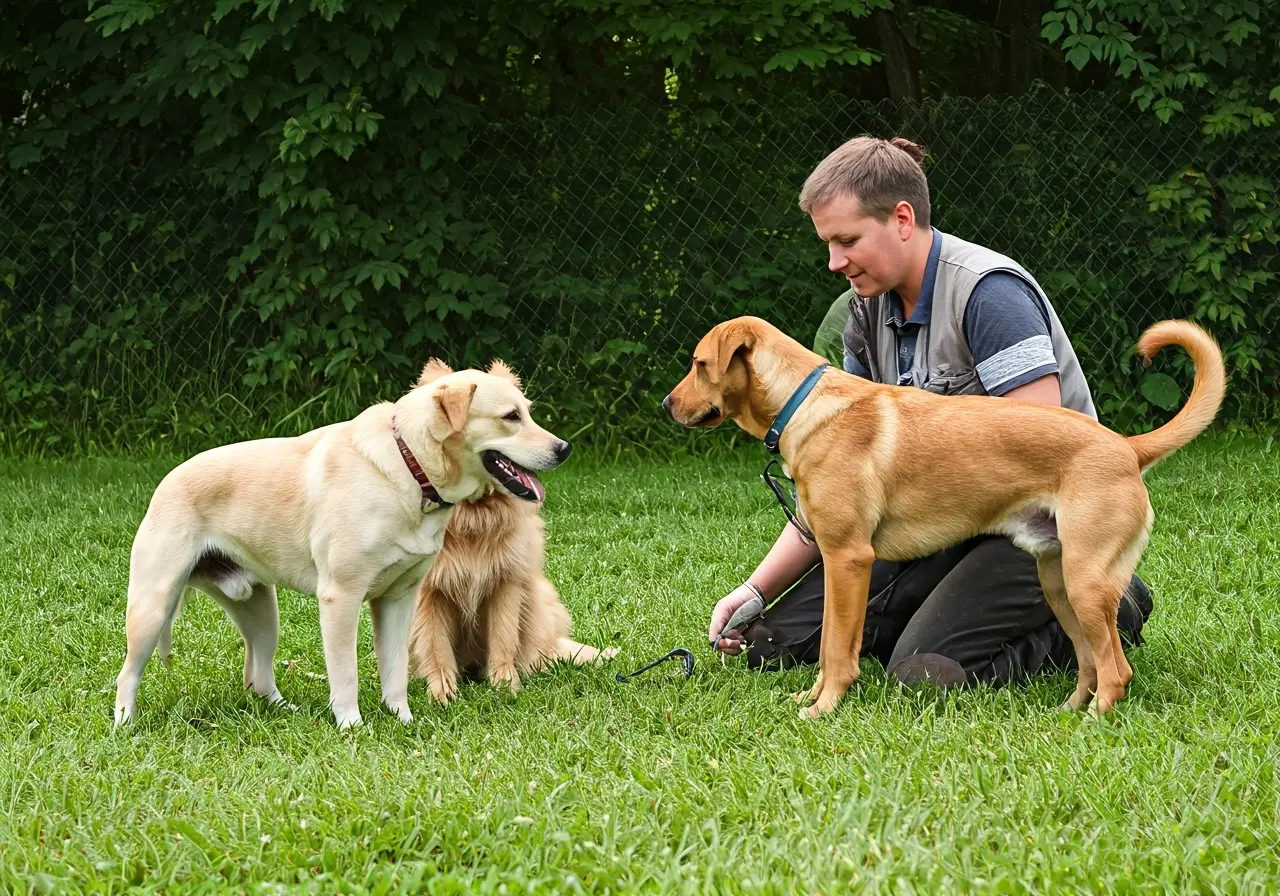
Home visits allow trainers to work with dogs in their natural environment, potentially making training more effective and convenient for both the dog and the owner. This setup minimizes the stress levels of your dog by keeping them within a familiar space. Plus, it offers trainers a clearer picture of behavioral issues that might arise specifically in the home setting.
An advantage of dog training home visits is customizability. Every dog is unique, and being able to tailor the training sessions to directly address specific household challenges or goals can lead to faster and more effective results. For example, if a dog tends to become agitated around visitors, the trainer can work on such issues in real-time during the visit.
Moreover, home visits often include family members in the training process, which can be beneficial for creating consistent commands and enforcement among all individuals interacting with the dog. This hands-on experience extends learning beyond formal training sessions, fostering a supportive environment for ongoing development.
Common Breeds and Their Training Needs
Different breeds have varying training requirements. While some breeds might respond well to home visits, others may benefit from different training methods. For instance, highly active breeds like Border Collies or Australian Shepherds might require more demanding mental and physical stimulation, which can be effectively managed through personalized home visit training plans.
On the other hand, breeds like Bulldogs or Shih Tzus, who may be more comfort-oriented, tend to do well in a relaxed home setting where they feel secure. Here, trainers can directly observe and nurture their natural temperament and adapt the training style accordingly.
For breeds that are known to be more independent, such as some terriers, consistent training and the presence of a trainer who understands breed-specific behaviors can make all the difference. It’s all about finding the right approach that resonates with the dog’s innate tendencies, which home visits can achieve.
Evaluating Your Dog’s Personality
Aside from breed, the individual personality and temperament of your dog play a significant role in determining the effectiveness of home training visits. Some dogs may be highly social and eager to learn, while others could be more reserved and cautious around strangers.
Understanding your dog’s personality helps in setting realistic expectations for the training outcomes. For example, a more anxious dog might need a longer period to adjust to a trainer, making patience a critical factor for success. In contrast, a naturally inquisitive pooch may readily engage with new commands and signals through encouraging reinforcement methods.
A good trainer will assess these personality traits and tweak their techniques to match. Enhanced by the comforts of home surroundings, dogs can learn at their own pace, reinforcing behaviors that align with their personality traits and daily routines.
Choosing the Right Trainer for Home Visits
Selecting a skilled and experienced dog trainer familiar with your dog’s breed can enhance the success rate of home visits. Credentials and specialization in positive reinforcement techniques can also indicate a capable professional who prioritizes your dog’s well-being.
Before committing, consider scheduling a preliminary meeting to ensure the trainer’s methods align with your expectations and your dog’s comfort level. Transparently discussing goals and challenges gives your trainer the insight needed to craft a personalized plan that caters to your pet’s needs.
Additionally, seeking recommendations from friends, family, or online communities dedicated to dog care can provide valuable insights or testimonials about effective trainers in your area. This network of shared experiences can guide you toward finding a professional who can create a successful and harmonious relationship with your pup.
Adjusting Training Techniques Based on Progress
Monitoring your dog’s progress and being open to adjusting techniques is crucial to ensuring that home visits remain effective for your dog’s specific needs. Training is not a one-size-fits-all process; as dogs grow and learn, their training regimes may benefit from modifications based on their developmental stage or progressing behavior.
For instances where a particular method might yield slower results than anticipated, a versatile trainer will pivot and try alternative strategies. Continuous feedback and communication between you and your trainer are key components to achieving a balanced strategy that works best for your dog.
Remember, the goal is long-term adaptability. A dog who is trained effectively at home will likely continue to display positive behavior adjustments outside of this setting, benefiting from the comprehensive understanding achieved through well-executed home visits.
Conclusion: Tailoring Training to Your Dog’s Needs
While dog training home visits can offer personalized and effective training opportunities, their success largely depends on the breed and individual temperament of your dog. By considering your dog’s unique needs and working with an experienced trainer, you can create a harmonious and well-trained household companion. Visit our homepage to learn more about how we can help you and your pet.